


The Oral History Program's mission is to record unique life histories, documenting historical events and memories of our time by preserving and adding these voices to the historical record. The Pettus Archives have been collecting and preserving stories, personal accounts, and recollections through recorded interviews as part of the Oral History Program since 1973. The Archives holds more than 800 interviews in audio, video and text formats, on a wide variety of subjects, including life at Winthrop, Rock Hill, SC and the Catawba Region and people, mill life and workers, American Wars and conflicts, Veteran History Project, women in politics and society, African American, and many other topics.
Disclaimer: The content of oral history interviews are personal and interpretive in nature, relying on memories, experiences, perceptions, and opinions of the interviewee. They do not represent the policy, views, or official history of Winthrop University and the University makes no assertions about the veracity of statements made by individuals participating in the Oral History Program.









-
Interview with Mai Rutledge Smith Johnson - OH 661
Mai Rutledge Smith Johnson
OH 661
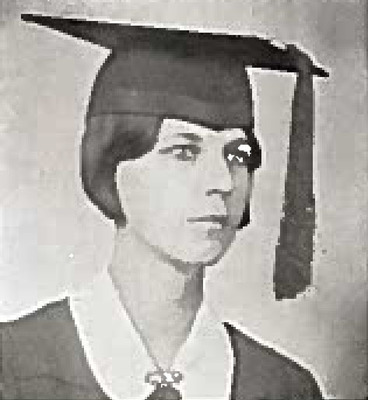
In her interview with Roy Flynn, Mrs. Mai Rutledge Smith Johnson (1878-1978) discusses her experiences as the wife of Dr. David Bancroft Johnson, founder of Winthrop. Mrs. Johnson describes what lead Dr. Johnson to found Winthrop and the process he went through to establish the college as well as the community around Winthrop. She discusses the beginning of Winthrop and her experience as a student and later as the President’s wife. Mrs. Johnson also discusses Dr. Johnson as a person both in his home life and his work life.
-

Interview with Rhudine V. Johnson - OH 205
Rhudine V. Johnson
OH 205
In this interview, local South Carolina activist Rhudine Johnson (1915-) discussing her experience living in South Carolina in the 1930s, 40s, and 50s. Mrs. Johnson was the first Black nurse to be appointed to the National Federation of Nurses and one of the first Black poll workers in the state. In this interview, Mrs. Johnson discusses her early life, her work as a licensed practical nurse, organizing a glee club, her education at Booker T. Washington High School in Columbia, her motivation for political activism, events that radicalized her, the political climate for Black people in South Carolina in the 1930s-1950s, the need for Black political candidates, her involvement with the Progressive Democrat Party, key members of the party, the goals of the party, voter registration, John McCray and his newspaper (The Lighthouse Informer), The Palmetto Voters Association, the downfall of the Progressive Democrat Party, accomplishments of the Party, and the need for Black people as elected officials.
-

Interview with Elba Johnston - OH 492
Elba Johnston
OH 492
IN PROCESSING
Interviews with extension members and agents throughout the country documenting the history and development of the extension movement in the U.S. The interviews describe homemaking, child bearing and family management in the small towns and rural areas where they live. They also discuss the role of extension homemakers groups in their lives.
-
Interview with James W. Johnston - OH 610
James W. Johnston
OH 214
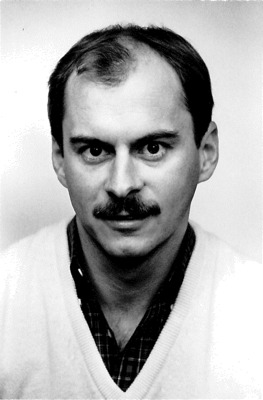
This interview was conducted for the as part of the Winthrop History Project spearheaded by Winthrop President Emeritus Dr. Anthony DiGiorgio and Rebecca Masters to “document the 24-year path of the original Winthrop College to becoming Winthrop University.” This effort was to produce a history of the institution and Dr. DiGiorgio’s tenure as president as a supplement to Dr. Ross Webb’s history of Winthrop (The Torch is Passed) that covered Winthrop history up to Dr. DiGiorgio becoming president. A key aspect of the project was a series of audio-taped interviews conducted with various members of the extended Winthrop community who participated in or helped guide the advancement of Winthrop over these years. That way, the Winthrop story will be told in an array of participants’ own words, own voices and from their own perspectives.
In his March 24, 2015 interview with Rebecca Masters, Jim Johnston details his time at Winthrop from 1983-2011 as a faculty filling several roles. Dr. Johnston discusses his experiences working for Winthrop as well as his experiences and impressions working with Winthrop President, Dr. Anthony DiGiorgio. Also he reveals the evolution of the sciences at Winthrop, his election as Chair of Faculty Conference and growth of athletics at Winthrop. In particular, Johnston recalls a mid-1990s vote of no confidence in the president and how Winthrop faculty responded.
-

Interview with Vera Johnston - OH 093
Vera Taylor Johnston
OH 093
This interview was conducted with Vera Taylor Johnston (1913-1988) regarding her experiences working in a local mill. She discusses family life, work attitudes, and experiences growing up in the area. Also discussed are mill villages, black-white relations, unionization, and mill prospects for the future.
This interview was conducted by Victoria Hickcox who was a junior Sociology major at Wellesley College, Wellesley, Mass. The interviews result from her participation in an exchange program involving a study of mill villages. Dr. Jack Turner, Sociology Dept., helped coordinate the research at Winthrop. The original cassette contained three separate interviews conducted by Victoria for the project which included this one, an interview (OH 155) with Clarence Luther Wilson (1917-1993) and Doris Griffin Wilson (1918-2006), and an interview (OH 96) with Calvin Forrest Stallings (1915-1982).
-
Interview with Vera Johnston - OH 793
Vera Taylor Johnston
OH 793
This interview was recorded with Vera Taylor Johnston (1913-1988) regarding her experiences working in a local mill, life on the farm, and her move to the city. She discusses family life, work attitudes, and experiences growing up in the area.
This interview was conducted by Winthrop graduate student, Fred E. Hembree (1952-2010) and was part of a series of three interview conducted about family life and mill workers in 20th century Rock Hill, SC. The other interviewees in this series are Margaret Johnston Corder (1929-2009) and Minnie E. Brown Hembree (1893-1984)
-
Interview with Charles R. Jonas - OH 113
Charles R. Jonas
OH 113
IN PROCESSING
Former Representative Jonas discusses his college years, military service, career in Congress and his opinions on issues such as the Abscam scandal and the results of the 1980 elections.
-
Interview with Mary Jonas - OH 201
Mary Jonas
OH 201
IN PROCESSING
Interviews with extension members and agents throughout the country documenting the history and development of the extension movement in the U.S. The interviews describe homemaking, child bearing and family management in the small towns and rural areas where they live. They also discuss the role of extension homemakers groups in their lives.
-
Interview with Anna Jones - OH 228
Anna Jones
OH 228
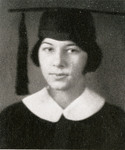
In this interview, Anna Jones (1908-2007), a 1930 Winthrop alumna, discusses her decision to attend Winthrop, being a day student (not living on campus), uniforms, walking to school, classes, rules, swimming, her professors, teaching as career after her graduation in 1930, her experiences in the education program, student teaching, attending chapel services in Tillman Hall (she calls it Main Building), Winthrop’s founder and first president, Dr. David Bancroft Johnson, the blue line, Christmas at Winthrop, summer school, dorm life, and May Day, and her impressions of Rock Hill.
-
Interview with Billie Jones - OH 486
Billie Jones
OH 486
IN PROCESSING
Interviews with extension members and agents throughout the country documenting the history and development of the extension movement in the U.S. The interviews describe homemaking, child bearing and family management in the small towns and rural areas where they live. They also discuss the role of extension homemakers groups in their lives.
-

Interview with Dora Jones - OH 327
Dora Jones
OH 327
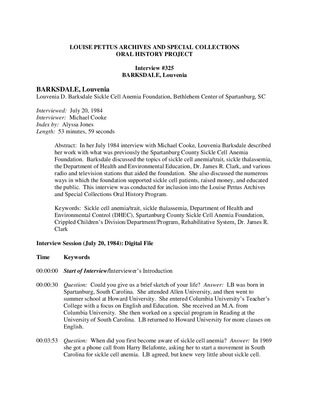
In her June 1984 interview with Michael Cooke, Dora Jones detailed her work with DHEC’s sickle cell program. Jones discussed the misconceptions of sickle cell within South Carolina communities, the role of community groups, and what DHEC’s work with these groups. Jones also discussed the merging of DHEC’s sickle cell program with the Crippled Children’s division of DHEC and the controversies of that merge. This interview was conducted for inclusion into the Louise Pettus Archives and Special Collections Oral History Program.
-
Interview with Emma Jones - OH 489
Emma Jones
OH 489
IN PROCESSING
Interviews with extension members and agents throughout the country documenting the history and development of the extension movement in the U.S. The interviews describe homemaking, child bearing and family management in the small towns and rural areas where they live. They also discuss the role of extension homemakers groups in their lives.
-
Interview with Gloria G. Jones - OH 611
Gloria G. Jones
OH 611
This interview was conducted for the as part of the Winthrop History Project spearheaded by Winthrop President Emeritus Dr. Anthony DiGiorgio and Rebecca Masters to “document the 24-year path of the original Winthrop College to becoming Winthrop University.” This effort was to produce a history of the institution and Dr. DiGiorgio’s tenure as president as a supplement to Dr. Ross Webb’s history of Winthrop (The Torch is Passed) that covered Winthrop history up to Dr. DiGiorgio becoming president. A key aspect of the project was a series of audio-taped interviews conducted with various members of the extended Winthrop community who participated in or helped guide the advancement of Winthrop over these years. That way, the Winthrop story will be told in an array of participants’ own words, own voices and from their own perspectives.
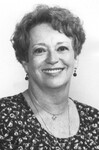
This interview is with Dr. Gloria G. Jones. Dr. Jones came to Winthrop as a part-time lecturer in English in 1984. She then became a fulltime professor and during her tenure at Winthrop was the Director of the Writing Center, Director of Writing, Chair of the English Department, and Dean of University College in which role she retired in July 2020. In this interview she discusses her experiences working for Winthrop as well as his experiences and impressions working with Winthrop President, Dr. Anthony DiGiorgio.
-
Interview with Horace Jones - OH 680
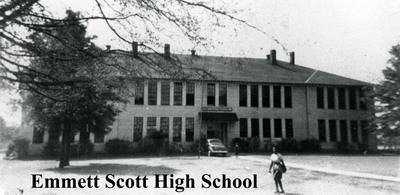
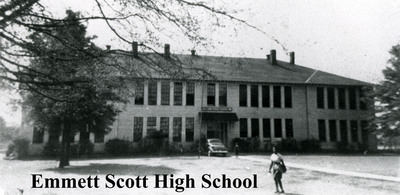
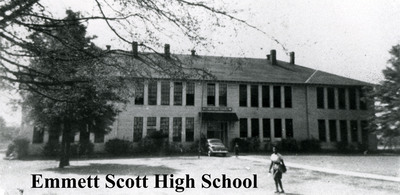
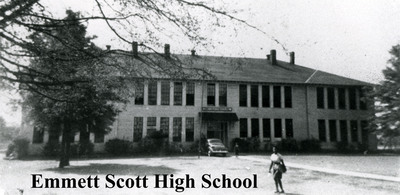
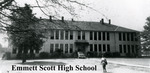
Horace Jones and Emmett Scott High School
OH 680
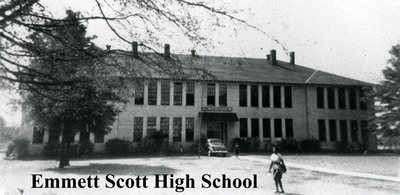
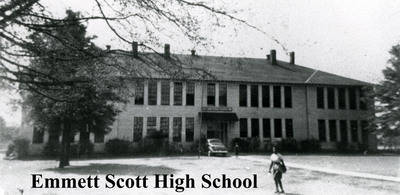
This interview was conducted by Dr. George Garrison with Horace Jones with a focus on the History of Emmett Scott High School. Emmett Scott was the segregated high school for African-Americans, which was named after Emmett Scott, a former aide to Booker T. Washington and President Woodrow Wilson. The school opened in 1920 and was closed in 1970 when full integration was implemented in Rock Hill, SC schools. Mr. Horace Jones is a 1965 graduate of Emmett Scott High School and lived behind Emmett Scott and attended the school.
-
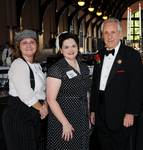
Interview with Shelley Jones and DeeAnna Brooks - OH 612
Shelley Kay Giles Jones and DeeAnna Lynn Brooks
OH 612
This interview was conducted for the as part of the Winthrop History Project spearheaded by Winthrop President Emeritus Dr. Anthony DiGiorgio and Rebecca Masters to “document the 24-year path of the original Winthrop College to becoming Winthrop University.” This effort was to produce a history of the institution and Dr. DiGiorgio’s tenure as president as a supplement to Dr. Ross Webb’s history of Winthrop (The Torch is Passed) that covered Winthrop history up to Dr. DiGiorgio becoming president. A key aspect of the project was a series of audio-taped interviews conducted with various members of the extended Winthrop community who participated in or helped guide the advancement of Winthrop over these years. That way, the Winthrop story will be told in an array of participants’ own words, own voices and from their own perspectives.
This interview is with Shelley Kay Giles Jones and DeeAnna Lynn Brooks. Shelley Jones attended Winthrop starting in 1993 and graduated with a degree in English 1997. She was employed at Winthrop as the Events and Operations Manager in the President’s Office from 2005 through 2015. DeeAnna Brooks attended Winthrop from the in the 1980s and 1990s and received an undergraduate (Class of 1988) and a graduate degree (Class of 1993) from Winthrop. She was employed at Winthrop from August 1990 through November 2015. She was hired as the Events Coordinator and over the years was in charge of the Inn at Winthrop Space Reserves and her last role at Winthrop was as the Assistant to the President for University Events. In this interview they discuss their experiences attending Winthrop as students and working for Winthrop, as well as their experiences and impressions working with Winthrop President, Dr. Anthony DiGiorgio.
-
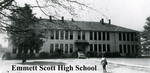
Interview with Josephine Jordan and Bleaker Blake - OH 711
Josephine Jordan, Bleaker Blake, Emmett Scott High School, and Civil Rights
OH 711
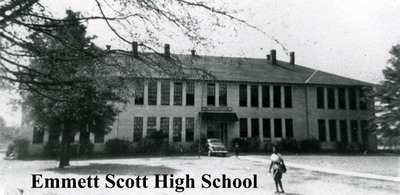
This interview was conducted by Dr. George Garrison with Josephine Jordan and Bleaker Blake. The focus of the interview is Emmett Scott High School in Rock Hill, SC. Emmett Scott was the segregated high school for African-Americans which was named after Emmett Scott, a former aide to Booker T. Washington and President Woodrow Wilson. The school was opened in 1920 and was closed in 1970 when full integration was implemented in Rock Hill, SC schools. Bleaker Blake and Josephine Jordan were both Emmett Scott High School graduates. Josephine was also a longtime president of the “Scottites” alumni organization of Emmett Scott graduates. They both discuss their experiences at the school as well as growing up in Rock Hill, SC. They also discuss the civil rights movement in Rock Hill, SC and the movement as a whole.
-
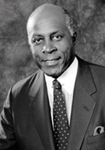
Interview with Vernon E. Jordan, Jr. - OH 360
Vernon Eulion Jordan Jr.
OH 360
Interview conducted for the South Carolina Legislative Black Caucus with Vernon E. Jordan, Jr. (1935-2021) about his background and his involvement in organizations and projects like the Board of Education Project. Vernon Jordan is from Atlanta, Georgia and he was the second head of the Board of Education Project and wanted to improve African American education, voting rights, and political involvement. He also discusses the Board of Education Project’s objectives and how effective he believed it was.
-

Interview with Josh Marr - OH 777
Josh Marr, Clover School District, and COVID-19 Pandemic
OH 777
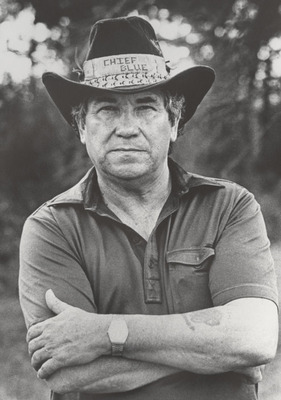
This interview was conducted by Kenya L. Lane with Josh Marr as part of Project 2020: A Collaborative Oral History. Marr discusses his experiences as a high school student and athlete in 2020, and how the COVID-19 pandemic and rise in racial unrest affected his senior year of high school. Marr shares how his maternal grandfather, who is of Native American descent, has served as an inspiration for him. He also echoes the analogy of the “football locker room” as a promising example for race relations on the community level. Other notable topics of conversation include virtual or remote activities, student organizations, and sports.
At the time of the interview, Josh Marr was a senior at Clover High School in Clover, S.C. He played varsity football and lacrosse as well as participated in several organizations including student council (President, 2020-21) and DECA club. He previously attended Bethany Elementary and Clover Middle Schools. As of 2024, Marr attends Queen’s University of Charlotte in Charlotte, N.C. where he plays on the men’s lacrosse team. He is the son of Winthrop alumna Ginger Gibson Marr ’93, ’98.
Spearheaded by Dr. O. Jennifer Dixon-McKnight, an Assistant Professor of History & African American Studies at Winthrop University, Project 2020 is best summarized in her words: “The goal was to conduct interviews that explored the various ways in which Americans were experiencing and being impacted by the various watershed moments that emerged during 2020 (the global pandemic, social unrest, financial challenges, issues with healthcare, etc.).”
-
Interview with Julisse Rodriguez-Ayala - OH 759
Julisse Rodriguez-Ayala, Winthrop University, and COVID-19 Pandemic
OH 759
This interview was conducted by William Calandro with Julisse Rodriguez-Ayala as part of Project 2020: A Collaborative Oral History. Rodriguez-Ayala discusses her experiences amid the COVID-19 pandemic, particularly as a high school student. She details the challenges of social isolation as well as the educational hurdles she confronted during the critical year 2020. Rodriguez-Ayala’s interview provides deep insight into the educational experience (secondary and higher education) amid the pandemic. Notable topics of conversation include quarantine, COVID-19 protocols (masks, social distancing, etc.), vaccination, education, virtual learning, Winthrop University, social unrest, and the 2020 political climate.
Julisse Rodriguez-Ayala (b. 2003) is a native of Ponce, Puerto Rico and, at the time of the interview, studied English with a minor in Educational Studies at Winthrop University in Rock Hill, SC.
Spearheaded by Dr. O. Jennifer Dixon-McKnight, an Assistant Professor of History and African American studies at Winthrop University, Project 2020 is best summarized in her words: “The goal was to conduct interviews that explored the various ways in which Americans were experiencing and being impacted by the various watershed moments that emerged during 2020 (the global pandemic, social unrest, financial challenges, issues with healthcare, etc.)."
-
Interview with Ethel Jury - OH 149
Ethel Jury
OH 149
IN PROCESSING
Interviews with extension members and agents throughout the country documenting the history and development of the extension movement in the U.S. The interviews describe homemaking, child bearing and family management in the small towns and rural areas where they live. They also discuss the role of extension homemakers groups in their lives.
-
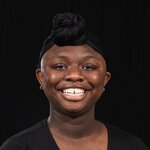
Interview with Kalaylah Chisolm - OH 782
Kalaylah Chisolm, Winthrop University, and COVID-19 Pandemic
OH 782
This interview was conducted by Abby B. Hieber with Kalaylah Chisolm as part of Project 2020: A Collaborative Oral History. Chisolm discusses her experience as a college student readjusting to the educational and social challenges amid the COVID-19 pandemic. Notable topics include health protocols, mental health, virtual learning, higher education, performing arts, and student life at Winthrop University.
Kalaylah Chisolm ‘22, a native of Hilton Head Island, SC, earned a B.A. in Theater with minors in Educational Studies and English from Winthrop University. She is currently pursuing a M.A. in Teaching from Winthrop. Chisolm also participated in Winthrop’s FYE Peer Mentor program.
Spearheaded by Dr. O. Jennifer Dixon-McKnight, Assistant Professor of History and African American Studies at Winthrop University, Project 2020 is best summarized in her words: “The goal was to conduct interviews that explored the various ways in which Americans were experiencing and being impacted by the various watershed moments that emerged during 2020 (the global pandemic, social unrest, financial challenges, issues with healthcare, etc.)."
-
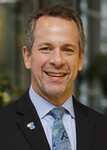
Interview with Kyle Kallander - OH 613
Kyle B. Kallander
OH 613
This interview was conducted as part of the Winthrop History Project, an initiative led by Winthrop President Emeritus Dr. Anthony DiGiorgio and Rebecca Masters. The project aimed to document Winthrop’s transformation over Dr. DiGiorgio’s 24-year tenure, tracing the institution’s evolution from Winthrop College to Winthrop University. Designed to supplement Dr. Ross Webb’s The Torch is Passed, which chronicles Winthrop’s history up to Dr. DiGiorgio’s presidency, this project sought to provide a comprehensive account of this significant period.
A key component of the initiative was a series of recorded interviews with members of the extended Winthrop community who played a role in shaping the university’s progress. These firsthand narratives preserve the voices, experiences, and perspectives of those who contributed to Winthrop’s growth and development.
This interview features Kyle B. Kallander, who served as the third Commissioner of the Big South Conference from June 24, 1996, until his retirement at the conclusion of the 2022–2023 academic year. During his 27-year tenure, Kallander oversaw significant growth in marketing, television, and digital presence, as well as notable athletic and academic achievements within the conference. In this discussion, Kallander reflects on his experiences collaborating with Winthrop University and his interactions with President Dr. Anthony DiGiorgio, providing insights into the university's role and development within the Big South Conference during that period.
-
Interview with Katonya Jackson Pinckney - OH 755
Katonya Jackson Pinckney, COVID-19 Pandemic, and Black Women
OH 755
This interview was conducted by Autumn Jackson with Katonya Jackson Pinckney as part of Project 2020: A Collaborative Oral History. In the interview, Jackson-Pinckney details her experience as a mother, state employee, and Black woman during the COVID-19 pandemic. She specifically discusses the challenges she faced in terms of balancing her responsibilities as both a parent and professional amid a public health crisis. She also sheds light on what she believes to be a society hyperaware of contagions due to COVID-19, whether for better or worse. Notable topics of conversation include quarantine, health protocols (masking, vaccination, etc.), parenting, family dynamics, education, Winthrop University, and the wider effects of the pandemic on individuals and families.
Katonya Jackson Pinckney (b. 1979) is a native of West Columbia, SC and government employee. Before working in her current role as a Case Coordinator for Child Support Enforcement (CSE) in Mecklenburg County, NC, she worked in regulatory health for the S.C. Department of Health and Environmental Control (DHEC). Jackson-Pinckney earned a B.A. degree in Psychology from Johnson C. Smith University and a Master of Health Administration (MHA) degree from Webster University. Her daughter, Autumn Jackson (the interviewer), studies Art Education at Winthrop University.
Spearheaded by Dr. O. Jennifer Dixon-McKnight, an Assistant Professor of History and African American studies at Winthrop University, Project 2020 is best summarized in her words: “The goal was to conduct interviews that explored the various ways in which Americans were experiencing and being impacted by the various watershed moments that emerged during 2020 (the global pandemic, social unrest, financial challenges, issues with healthcare, etc.)."
-
Interview with Keith Lee Sinclair - OH 763
Keith Lee Sinclair, COVID-19 Pandemic, and Lancaster County School District
OH 763
This interview was conducted by Stacy Steele with Keith Lee Sinclair as part of Project 2020: A Collaborative Oral History. Mr. Sinclair shares his experiences as a high school teacher amid the COVID-19 pandemic and critical year 2020. He particularly sheds light on the educational and social challenges students and teachers faced during the pandemic. Sinclair also applauds the school’s decision to offer in-person learning under appropriate COVID-19 guidelines. Notable topics of conversation include COVID-19 classroom protocols, hybrid and virtual learning, and the overall evolution of education due to the pandemic.
Keith Lee Sinclair is teacher at Lancaster High School in Lancaster, S.C. At the time of the interview, Mr. Sinclair had been an educator for twenty-six years. As of 2024, he serves as an assistant principal at Lancaster High. He is also a notable musician and songwriter.
Spearheaded by Dr. O. Jennifer Dixon-McKnight, an Assistant Professor of History and African American studies at Winthrop University, the oral history project is best summarized in her words: “The goal was to conduct interviews that explored the various ways in which Americans were experiencing and being impacted by the various watershed moments that emerged during 2020 (the global pandemic, social unrest, financial challenges, issues with healthcare, etc.)."
-
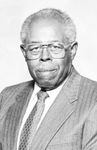
Interview with Jonas Thomas Kennedy - OH 265
Jonas Thomas Kennedy
OH 265
In his interview with Michael Cooke, Jonas T. Kennedy discusses his experience with the Progressive Democratic Party in South Carolina. Mr. Kennedy details the process and difficulties black people would face in registering and voting during the 1940s and 1950s. Mr. Kennedy also discusses the difficulties and expectations involved with the attempted buying of votes for certain candidates.
Dr. Jonas Thomas Kennedy (1917-2014) was a farmer and philanthropist from Bennettsville, SC. His parents and his two sisters both graduated from Claflin College, a historically black university in Orangeburg, South Carolina. Dr. Kennedy attended Claflin College before transferring to South Carolina State College to study Agriculture from which he graduated. He managed his 1200 acre farm and was a very successful farmer, even being named the 1977 Framer of the Year. Dr. Kennedy maintained a strong relationship with Claflin College and served as a trustee from 1969 to 1983. He was awarded an honorary Doctor of Humanities degree in 1975 from Claflin and inducted into the University Hall of Fame in 1993. He also made major donations to Africa University in Zimbabwe which was sponsored by the South Carolina United Methodist Conference. The University has buildings named in his honor. He served his community in several capacities and was the president of the Marlboro County NAACP for eleven years from 1947 to 1958.