


The Oral History Program's mission is to record unique life histories, documenting historical events and memories of our time by preserving and adding these voices to the historical record. The Pettus Archives have been collecting and preserving stories, personal accounts, and recollections through recorded interviews as part of the Oral History Program since 1973. The Archives holds more than 800 interviews in audio, video and text formats, on a wide variety of subjects, including life at Winthrop, Rock Hill, SC and the Catawba Region and people, mill life and workers, American Wars and conflicts, Veteran History Project, women in politics and society, African American, and many other topics.
Disclaimer: The content of oral history interviews are personal and interpretive in nature, relying on memories, experiences, perceptions, and opinions of the interviewee. They do not represent the policy, views, or official history of Winthrop University and the University makes no assertions about the veracity of statements made by individuals participating in the Oral History Program.















-

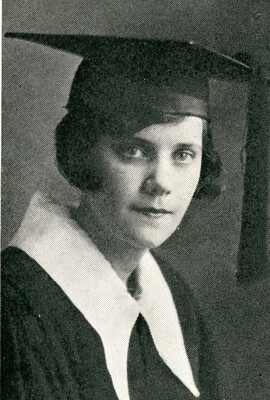
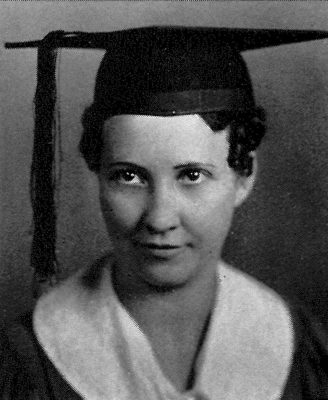
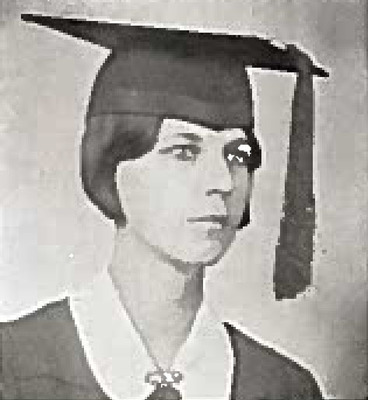
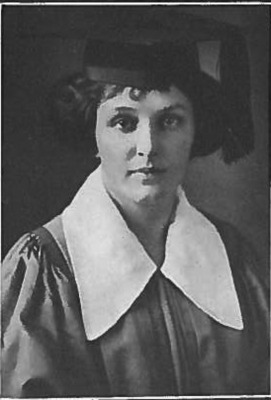
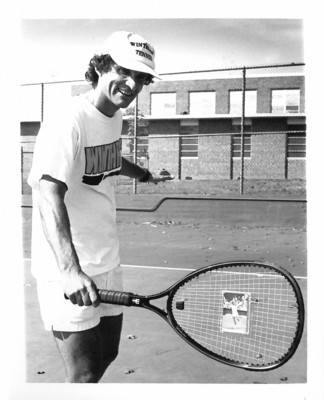
Interview with Alice Spearman Wright - OH 025
Alice Norwood Spearman Wright
OH 025
IN PROCESSING
In this interview Mrs. Wright discusses her upbringing, her education at Columbia College and the University of Chicago, her trips to the Philippines and Russia in the 1920s and 1930s, her activities in the civil rights movement, her work with the South Carolina Council on Human Relations and her ideas on women's rights.
-
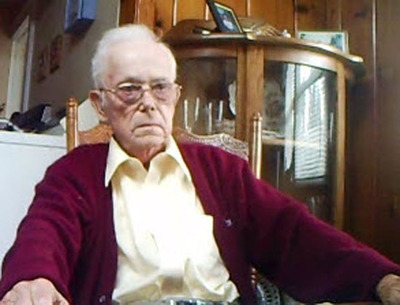
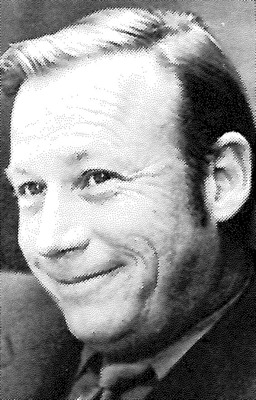
Interview with Marion Allan Wright - OH 020
Marion Allan Wright
OH 020
This interview was conducted with Marion Allan Wright (1894-1983) who was a civil rights advocate and served as a member of the American Civil Liberties Union. South Carolina native, Marion Wright discusses his recollections and experiences growing up in Conway,SC, African Americans in Conway, Benjamin Ryan Tillman, influences on his life including August Kohn and Josiah Morse, his law practice in Conway, his student days at the University of South Carolina, Jesse Daniel Ames, Dorothy Tilly, the Commission on Interracial Cooperation and its successor the Southern Regional Council, Judge J. Waties Waring of Charleston, and Mrs. Wright’s experiences. This interview focuses on a discussion about Senator Ben Tillman, Senator “Cotton” Ed Smith, and Governor Cole Blease.
-
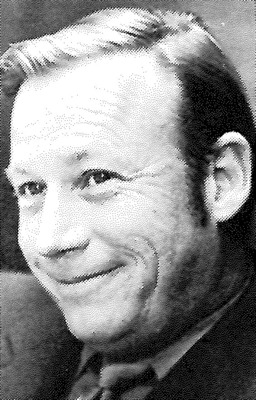
Interview with Marion Allan Wright and Alice Spearman Wright - OH 024
Marion Allan Wright and Alice Norwood Spearman Wright
OH 024
This interview was conducted with Marion Allan Wright (1894-1983) who was a civil rights advocate and served as a member of the American Civil Liberties Union. Also interviewed was his wife Alice Buck Norwood Spearman Wright (1902-1989) who was a Civil Rights advocate and was an ardent supporter of racial equality and desegregation policies. She presided over the first integrated South Carolina Council on Human Relations. The interview with both Marion and Alice discusses their upbringing and influences and delve into the flowing topics: the Civil rights movement, interracial marriage, abolition of death penalty by Supreme Court, the ERA (commented on by Alice Wright also), and interest in education (Alice Wright).*
-
Interview with Catherine Wycoff - OH 491
Catherine Wycoff
OH 491
IN PROCESSING
Interviews with extension members and agents throughout the country documenting the history and development of the extension movement in the U.S. The interviews describe homemaking, child bearing and family management in the small towns and rural areas where they live. They also discuss the role of extension homemakers groups in their lives.
-
Dr. Mildred Anderson Hill-Lubin Lecture - Acc 186, No. 001
York County Multiethnic Heritage Project and Mildred Anderson Hill-Lubin
Accession 186, No. 001
This recording features a lecture by Dr. Mildred Anderson Hill-Lubin, invited as a guest speaker by Dr. Joyce Pettigrew Berman, on the subject of African American heritage as reflected in folklore and music. Dr. Hill-Lubin explores the cultural foundations and historical influences of Black folk music and folklore, emphasizing their deep-rooted connections to African traditions. The discussion highlights the defining characteristics of contemporary Black culture in 1977 and examines the enduring significance of these African cultural elements.
This lecture was conducted as part of the York County Multiethnic Heritage Project, an initiative led by Dr. Berman of Winthrop University’s English faculty. Funded by a $38,000 grant from the U.S. Department of Health, Education, and Welfare, the project sought to document and analyze the contributions of diverse ethnic groups to the cultural heritage of York County, particularly within School District No. 3, the York County Nature Museum, and the City of Rock Hill Recreation Department. Running from July 1976 to June 30, 1977, the project focused on Southern Appalachian, African American, and American Indian communities, preserving their cultural narratives and traditions through research and public engagement.
-
Interview with Nellie Yost - OH 431
Nellie Yost
OH 431
IN PROCESSING
Interviews with extension members and agents throughout the country documenting the history and development of the extension movement in the U.S. The interviews describe homemaking, child bearing and family management in the small towns and rural areas where they live. They also discuss the role of extension homemakers groups in their lives.
-

Interview with Vivian Zeiders - OH 552
Vivian Zeiders, Rock Hill Printing and Finishing Company, Bleachery, and Alexander Keith Windham
OH 552
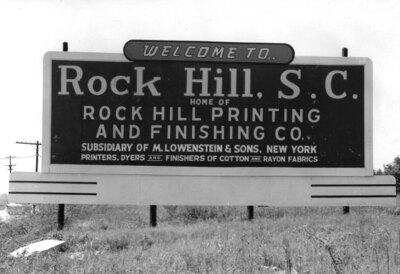
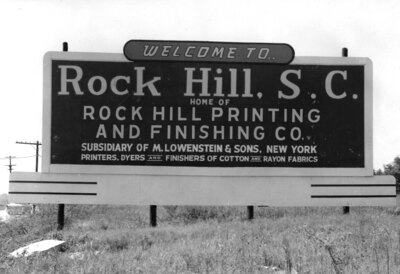
This interview with Mrs. Vivian Zeiders was conducted by Alex Windham for the Louise Pettus Archives and Special Collections at Winthrop University as part of its oral history program. In the interview, Mrs. Zeiders reflects on her experiences working at the Rock Hill Printing and Finishing Company, locally known as “the Bleachery,” where she was employed from 1976 to 1982.
Mrs. Zeiders discusses her work in the finishing department, where she mixed textile finishes, operated machinery, and later drove a forklift—roles that were traditionally held by men. She describes the gender dynamics of the workplace, noting both the challenges she faced as a young woman entering a male-dominated department and the support she received from many of her coworkers. She also reflects on workplace culture, including training practices, union influence, and the largely segregated nature of departments within the plant.
In addition to her duties at the Bleachery, Mrs. Zeiders places her experience within the broader context of the regional textile industry. She compares her time at the Bleachery with her work at the Celanese plant in Rock Hill and Springs Mills in Chester, South Carolina, highlighting differences in management, labor conditions, and union presence. She emphasizes the Bleachery’s family-oriented atmosphere and its importance as a major employer in the community.
Mrs. Zeiders also describes the Bleachery’s significant social and economic impact on Rock Hill, including its role in shaping neighborhood life, providing recreational opportunities such as Joslin Park, and sustaining generations of local families. She reflects on the plant’s gradual decline in the late twentieth century, citing layoffs, economic changes, and increased global competition, as well as the uncertainty faced by longtime workers.
Overall, the interview provides insight into the daily realities of textile work, the role of organized labor, and the lasting impact of the Bleachery on both the Rock Hill community and Mrs. Zeiders’s personal and family life.
-
Interview with Saundra Zook - OH 430
Saundra Zook
OH 430
IN PROCESSING
Interviews with extension members and agents throughout the country documenting the history and development of the extension movement in the U.S. The interviews describe homemaking, child bearing and family management in the small towns and rural areas where they live. They also discuss the role of extension homemakers groups in their lives.