












-
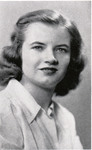
Interview with Mary Wylie "Polly" Ford - OH 804
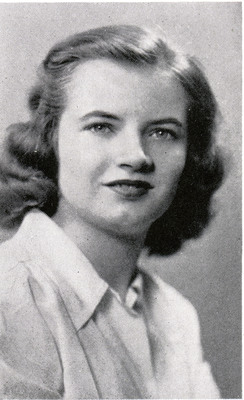
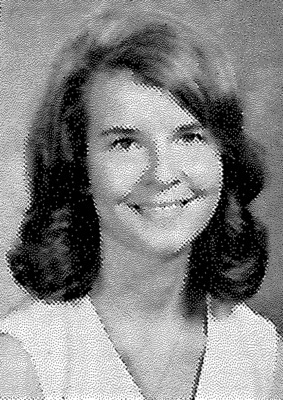
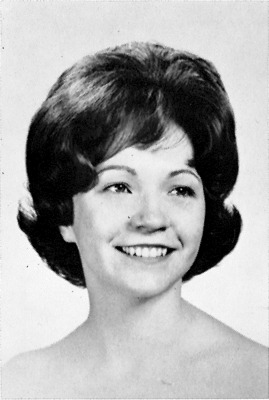
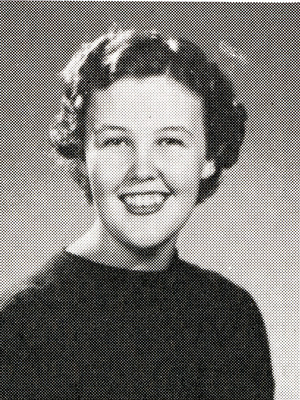
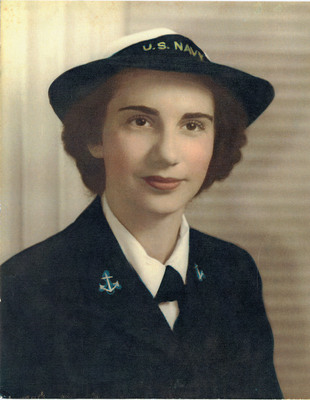
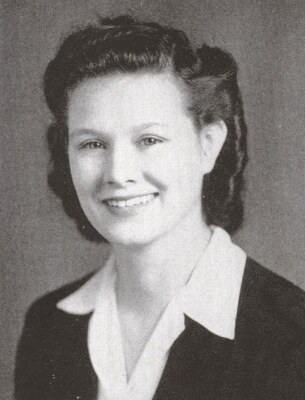
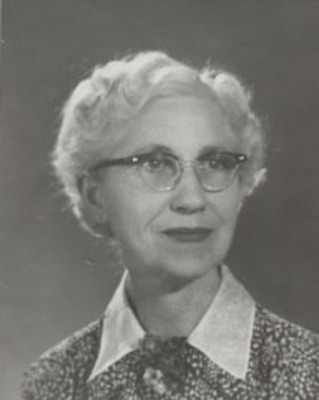
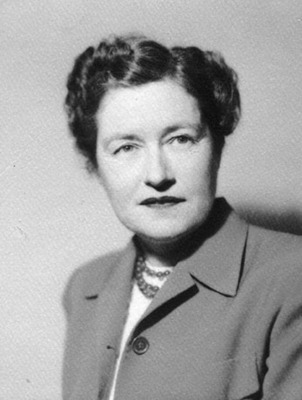
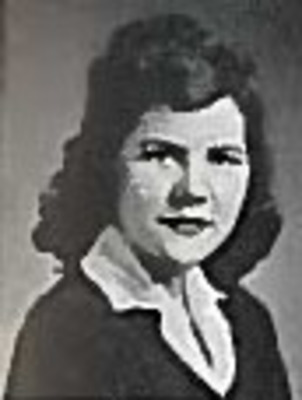
Mary Wylie Ford
This interview with Dr. Mary Wylie “Polly” Ford was conducted by Rosanna Thomas on August 5, 2026, as part of the Louise Pettus Archives and Special Collections Oral History Program. Ford attended Winthrop Training School from kindergarten through eleventh grade, graduating in 1944. She then attended Winthrop College, where she earned a bachelor’s degree in Physical Education. After teaching at Anderson College, in Danville, Virginia, and in Illinois, and completing graduate study in Iowa, Ford returned to Winthrop in 1960 as a faculty member in the Physical Education Department. She remained at Winthrop until her retirement in 1992.
Ford discusses her childhood and educational experiences at Winthrop Training School, including the school’s physical layout, organization, curriculum, teachers, and daily routines. She describes the progression from elementary school, where students remained with the same classmates and teachers, to the seventh grade and beyond, when students began changing classrooms and teachers for different subjects. Ford recalls the role of Winthrop students who served as practice teachers, noting that their presence exposed Training School students to new teaching methods. She also discusses the school’s relationship to the Rock Hill community, including the perception that Training School students were somewhat separate from students attending local public schools. Ford emphasizes that the Training School was neither fully a public nor private school and recalls the sense of camaraderie that developed among its students.
Ford reflects on memorable teachers and subjects, including her enjoyment of mathematics and science and her dislike of music. She recalls how her mathematics teacher incorporated current events, including World War II, into classroom lessons. She also shares a humorous but formative memory of being singled out during a music class, which influenced her later approach to teaching physical education. Ford discusses how experiences such as being chosen last for athletic teams could affect students and describes the importance of avoiding practices that might negatively affect children’s confidence and self-esteem.
The interview also explores Ford’s transition from Winthrop Training School to Winthrop College. She discusses her decision to attend Winthrop, noting the school’s proximity to her home, the cost of attending, and her family’s longstanding connection to the institution. Ford’s mother and other relatives also attended Winthrop. She describes attending as a “town student,” living at home during her first three years of college before residing in a dormitory during her senior year. Ford discusses the experiences of town students, including the “town girls’ room” in Main Building and the Beta Sigma Delta (BSD) sorority, an organization for town students. She also recalls campus organizations, including a professional physical education organization and the YWCA.
Ford describes her academic experience as a Physical Education major, including courses in physical education, biology, anatomy, physiology, chemistry, and physics. She recalls Winthrop’s uniform requirements, the use of semesters, and the provision of textbooks. She reflects on several of her professors and emphasizes the value of demanding teachers who encouraged students to work hard and perform at a high level.
Ford discusses the limited career opportunities available to women when she was growing up and explains how teaching became a natural career choice. She describes her early teaching positions at Anderson College and in Danville, Virginia, her graduate studies in Iowa, and subsequent teaching work in Illinois before returning to Winthrop in 1960. She reflects positively on her Winthrop education and career, expressing pride in her degree and describing her longstanding connection to the institution.
Throughout the interview, Ford reflects on the changes she witnessed in education, women’s opportunities, and Winthrop over the course of her life. She discusses the transformation of Winthrop from a women’s college into a coeducational institution and comments on the lingering public perception of Winthrop as a women’s college. Ford concludes by expressing her strong affection for Winthrop and her belief that the institution has often been underestimated.
-
Interview with Vivian Moore Carroll - OH 245
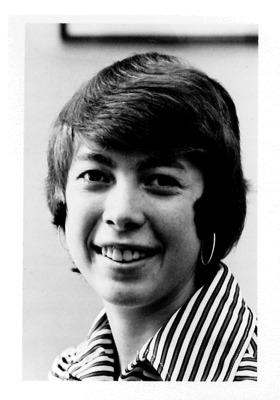
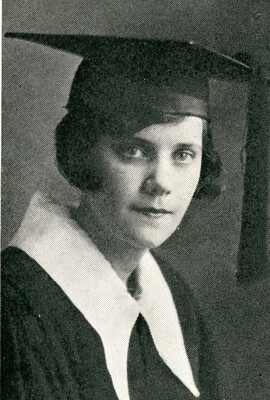
Vivian Moore Carroll
This interview was conducted for the as part of the Winthrop History Project spearheaded by Winthrop President Emeritus Dr. Anthony DiGiorgio and Rebecca Masters to “document the 24-year path of the original Winthrop College to becoming Winthrop University.” This effort was to produce a history of the institution and Dr. DiGiorgio’s tenure as president as a supplement to Dr. Ross Webb’s history of Winthrop (The Torch is Passed) that covered Winthrop history up to Dr. DiGiorgio becoming president. A key aspect of the project was a series of audio-taped interviews conducted with various members of the extended Winthrop community who participated in or helped guide the advancement of Winthrop over these years. That way, the Winthrop story will be told in an array of participants’ own words, own voices and from their own perspectives.
In her March 31, 2015 interview with Rebecca Masters, Vivian Carroll recalls her time at Winthrop as a day student in the early 1970s graduating in 1973 and later served on the Winthrop Alumni Board. Carroll shares her opinions on DiGiorgio’s administration and how Winthrop has changed since the 1970s. Vivian Moore Carroll Hall on Winthrop’s campus was named in her honor which features the Carroll Capital Markets Training and Trading Center, a facility that connects students to global markets through interactive technology.
-
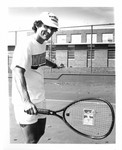
Interview with Cid Carvalho - OH 177
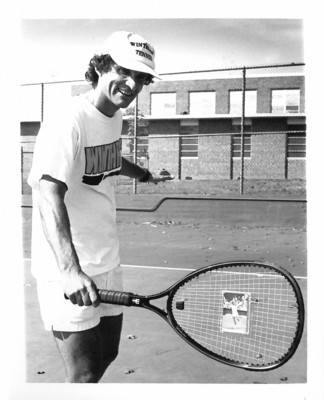
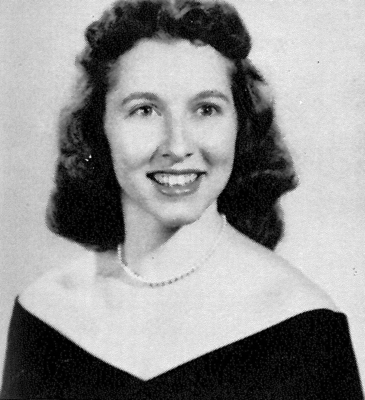
Alcides Carvalho
In his March 23, 2015 interview with Jenna Kasmarik, Cid Carvalho shares the story of his coming to Winthrop as a student and his career as head tennis coach. Carvalho details the evolution of the sport at Winthrop from facilities to the decision to break up coaching by men’s and women’s teams. Finally, Carvalho shares his opinion on Title IX and its change in sports at Winthrop. This interview was conducted for inclusion into the Louise Pettus Archives and Special Collections Oral History Program.
-
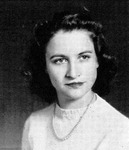
Interview with Jeuel Bannister Esmacher - OH 144
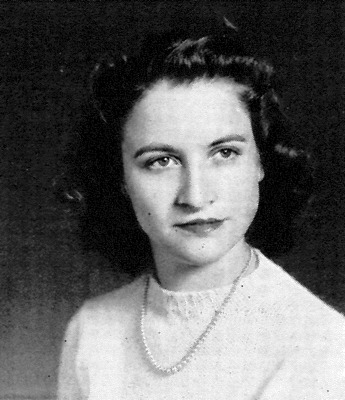
Jeuel Bannister Esmacher
Jeuel Bannister Esmacher (1924-2022) attended Winthrop College from 1940 to her graduation in December of 1943. In this interview, she discusses her admission to Winthrop, her family, her decision to major in music, her classes and favorite professors (George Trumble and Dr. Roberts), her experience as a female band director for a high school, her experience with travelling to the University of Georgia for a charity event during World War II, her health issues and experience at the Winthrop infirmary, her experience as a music counselor at a girls summer camp, dorm life, her experience as a part of a band called “the Swanks,” Winthrop traditions, her experience with coupons during WWII, Winthrop during WWII, meeting her husband, her experience with cryptology courses and codebreaking in Washington D.C. during WWII, the Air Force cadets’ classes at Winthrop College during the war, her experience learning Japanese during the war and then Russian immediately after, her experience working at Arlington Hall, her life after she resigned from cryptography in 1950, and her experience at her class reunion in November of 2014.
-
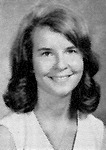
Interview with Virginia Koch - OH 256
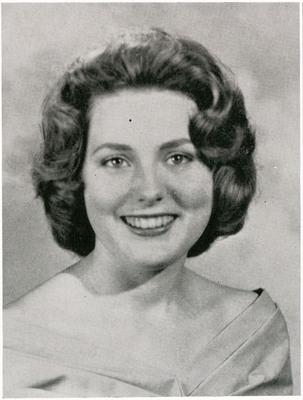
Virginia Koch
This interview was conducted by Michelle Dubert-Bellrichard with Virginia Koch on January 13, 2015, for the Louise Pettus Archives and Special Collections Oral History Program. Koch graduated from Winthrop College in 1974 with a bachelor’s degree in Elementary Education. She later earned a master’s degree in Adult and Continuing Education.
Koch discusses her decision to attend Winthrop, influenced in part by her older sister, a Winthrop alumna, and her mother, an elementary school teacher who helped establish a kindergarten program in Columbia, South Carolina. She describes adjusting to college life and living on campus, including her experiences with roommates, dormitory rules and regulations, dress codes, social activities, and the “Rat Week” traditions for freshmen. She also recalls changes in visitation policies that eventually allowed male students to visit women’s dormitory rooms.
Koch discusses her experiences as an Elementary Education major, including her coursework, interest in psychology, and student-teaching experience in a fourth-grade classroom in Hartsville, South Carolina. She describes the influence of her supervising teacher and how that experience shaped her approach to teaching. She also recalls campus activities and traditions, including Junior Follies, musical performances, concerts, and guest speakers such as feminist activist Gloria Steinem.
A significant portion of the interview focuses on the social and cultural changes taking place at Winthrop and in American society during the 1970s. Koch discusses the admission of male students and Winthrop’s transition to coeducation during her senior year. She reflects on changing attitudes toward women’s education and careers, the influence of the women’s movement, and the increasing diversity of the student body. She also discusses her experiences developing a friendship with an African American student and reflects on the racial attitudes and social changes she encountered during her college years.
Koch describes her career following graduation, including teaching fourth grade in Sumter, South Carolina, and her subsequent move to Wisconsin. She discusses earning her master’s degree and working in adult and continuing education, education administration, organizational development, and training. Her career included positions at Midlands Technical College, North Central College, Mercy Hospital in Chicago, United Airlines, the Joint Commission on Accreditation of Healthcare Organizations, and the Peace Corps. She discusses her work as Director of Recruiting for the Peace Corps in Chicago and later as Deputy Director of Nationwide Testing for the federal government, from which she retired in 2014.
Throughout the interview, Koch reflects on how her experiences at Winthrop helped shape her confidence, education, career, and outlook on social and cultural change. She also discusses returning to the Winthrop campus for an alumni reunion in 2014 after approximately forty years away and reflects on the changes she observed at the university.
-
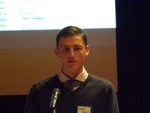
Interview with Gabriel Paxton - OH 151
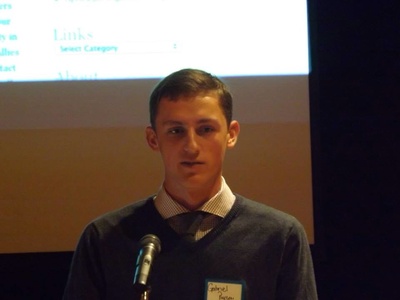
Gabriel Paxton
In his February 18, 2015 interview with Michelle Dubert-Bellrichard, Gabriel Paxton shares the story of founding the grassroots organization Rock Hill for Equality. Included are his experiences as an ally in the Southeast and the partnerships he made to support Rock Hill for Equality. Paxton provides insight on this civil rights movement and speculates why the South is slow to change. This interview was conducted for inclusion into the Louise Pettus Archives and Special Collections Oral History Program.
-
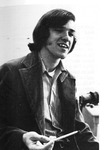
Interview with Dennis Stamper - OH 127
Dennis Stamper
In his January 12, 2015 interview with Michelle Dubert-Bellrichard, Dennis Stamper shares his memories of being one of the first male, day students from 1969-1972. Stamper details his studies and professors from the Philosophy and Religion Department, as well as the Psychology Department. Stamper includes his perception of the atmosphere at Winthrop during a time of great change in the country, and how that experience coupled with his work in the Wesley Foundation and the influence he received from professors paved the way for he currently lives his life. Stamper concludes his interview detailing his studies and careers after Winthrop. This interview was conducted for inclusion into the Louise Pettus Archives and Special Collections Oral History Program.
-

Interview with Gina Price White - OH 172
Gina Price White
This interview was conducted by Amber Kelley for her History 590 capstone course with Mrs. Gina Price White, Director of the Louise Pettus Archives and Special Collections at Winthrop University. Drawing on her extensive research and familiarity with institutional records, Mrs. White discusses the early history of Winthrop and its relocation from Columbia to Rock Hill in the 1890s.
Mrs. White explains that the move resulted from the school outgrowing its original facilities in Columbia and the transition to state support in 1891. She outlines the formal bidding process through which various towns and cities competed to host the institution, emphasizing that the process was largely fair and based on the quality of proposals submitted. According to her account, Rock Hill ultimately secured Winthrop by offering the most attractive package of financial and material incentives, including land, building materials, and local support.
The interview also addresses the roles of key figures such as Benjamin Tillman and David Bancroft Johnson. Mrs. White clarifies that while Tillman, as governor and a member of the Board of Trustees, held influence, the decision-making process involved a committee review of bids and final approval by the state legislature. She highlights Johnson’s leadership and the committee’s role in evaluating proposals, noting that the final decision was driven primarily by practical and economic considerations rather than any single individual’s preference.
Additionally, Mrs. White addresses common misconceptions about the move, including assumptions about political or social motivations, and emphasizes that institutional needs and local incentives were the primary determining factors. Overall, the interview provides insight into the administrative, political, and economic context surrounding Winthrop’s relocation and the collaborative process that shaped its establishment in Rock Hill.
-
Interview with Anne Duncan - OH 285
Anne Duncan
In her January 7, 2014 interview with Cody Willis, Anne Duncan reminisces of her time at Winthrop from 1974-1978 as a Physical Education major. This interview was conducted for inclusion into the Louise Pettus Archives and Special Collections Oral History Program.
-
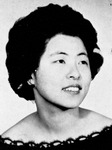
Interview with Jai Lee - OH 286
Jai Eun Kim Lee
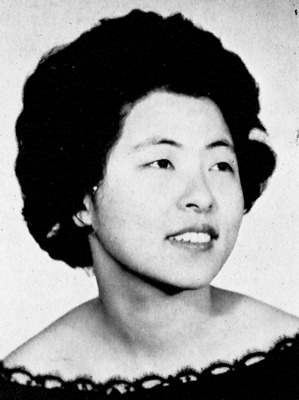
In her January 14, 2014 interview with Cody Willis, Jai Eun Kim Lee (Class of 1963) shares her experience as an economic major from Korea. Lee discusses the differences between Korean colleges and Winthrop.
-

Interview with Stephen Lovegrove - OH 126
Stephen Lovegrove
In his December 2014 interview with Michelle Dubert-Bellrichard, Stephen Lovegrove shares his story coming to Winthrop as an “out” student recently kicked out of a religious college. Lovegrove details his perception of the attitude toward LGBTQ people and issues in Winthrop and Rock Hill. Lovegrove identifies resources in the community that are beneficial to LGBTQ people. He also comments on the LGBTQ social movement in terms of growing acceptance and the challenges it will face. This interview was conducted for inclusion into the Louise Pettus Archives and Special Collections Oral History Program.
-
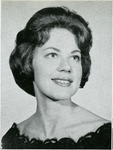
Interview with Sarah Michaux - OH 287
Sarah Marie Dimery Michaux
This interview was conducted with 1963 Winthrop graduate, Susan Marie Dimery Michaux. In this interview, Mrs. Michaux discusses her time at Winthrop and starts with a description of her hometown and why she chose Winthrop. She also talks about the various rules and regulations that Winthrop had in place while she lived on campus. Sarah was a psychology major and discusses some of the more interesting classes she took. She also talks about her career decisions after leaving Winthrop and some interesting things about dorm life that stood out to her. Susan’s sister Jeanette Dimery Butler also was graduate of Winthrop (Class of 1957).
-
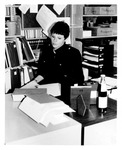
Interview with Gale Teaster - OH 068
Gale Teaster
In her October 2014 interview with Rebecca Nave, Gale Teaster detailed her thoughts and memories of her time at Winthrop University (then Winthrop College). Teaster spoke of the time period of 1971-1975 on the following topics: Coeducation, Winthrop traditions, student life, and outside opinions on the coeducation of Winthrop College. Teaster also offered her opinions on how Winthrop has changed between the 1970s and today. Teaster then discussed the change in diversity at Winthrop as a result of coeducation. This interview was conducted for inclusion into the Louise Pettus Archives and Special Collections Oral History Program.
-
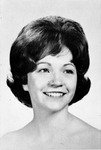
Interview with Louise "Lou" Trucks - OH 046
Louise Trucks
In her December 2014 interview with Michelle Dubert-Bellrichard, Louise “Lou” Trucks detailed her thoughts and memories of her time at Winthrop. Trucks spoke of the time period from 1960-1964 as a music and music education double major. Trucks shared the benefits of being a music major, her involvement in campus traditions and organizations, and the rigor of her studies. Trucks concludes her interview detailing her life after Winthrop in Bloomington, IN and Rochester, NY. This interview was conducted for inclusion into the Louise Pettus Archives and Special Collections Oral History Program.
-
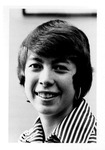
Interview with Margaret Williamson - OH 065
Margaret Williamson
In her October 2, 2014 interview with Rebecca Nave, Margaret Williamson speaks of her time at Winthrop University during its transition into a coed institution. She talks of her involvement in various student organizations and athletics. She also talks of the changes in Winthrop, diversity wise, from when she was a student in 1974 to an employee at Winthrop today. This interview was conducted for inclusion into the Louise Pettus Archives and Special Collections Oral History Program.
-
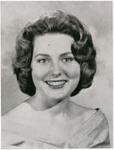
Interview with Judy Fowler - OH 310
Judith Earle Buddin Fowler
This interview was conducted with 1962 Winthrop graduate, Judith “Judy” Earle Buddin Fowler. In this interview, Judy discusses her childhood, how she ended up at Winthrop, and her experiences while attending Winthrop. She discusses her experiences through anecdotes, stories, and recollections of her time at Winthrop, including Winthrop sponsored shows, lectures, and performances, as well as extracurricular activities the students did during their free time. Judy also discusses how she initially decided not to go to Winthrop after a visitation during her junior year of high school, however her friend had decided to attend so she went as well. Judy who hailed from Simpsonville, South Carolina describes her long distance relationship with her family and her campus life experience. She also describes her classes, specifically the ones she enjoyed and did not like, including her first English class which was a real struggle for her as a business major.
-
Interview with Peggy Hunter - OH 275
Peggy Hunter
In her June 2013 interview with Martha Manning, Peggy Hunter detailed her thoughts and memories of her experience here at Winthrop. Hunter spoke of the time period 1968-1971 with an emphasis on the follow topics: Student teaching, Winthrop traditions, and college life from the perspective of a non-traditional college student. Hunter also discussed how Winthrop’s student teaching program had prepared her for a career in teaching. Hunter gives praise as she reminisce and reflect on how Winthrop has grown. This interview was conducted for inclusion into the Louise Pettus Archives and Special Collections Oral History Program.
-
Interview with Blair Whitney Ligon - OH 272
Blair Whitney Ligon
In her May 29, 2013 interview with Martha Manning, Blair Ligon, a third generation Winthrop alumna, shares her experience as an Integrated Marketing Communications major from 2007-2011. Ligon recalls the professors that made a lasting impression and shares some of her favorite classes. Ligon also expresses her pride in being a Winthrop alumna and current alumni relations employee. This interview was conducted for inclusion into the Louise Pettus Archives and Special Collections Oral History Program.
-
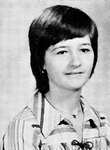
Interview with Joyce Lineberger - OH 270
Joyce Lineberger
In her May 21, 2013 interview with Martha Manning, Joyce Lineberger details her life as a Winthrop undergraduate student from 1975-1977. Lineberger shares her experience with campus life: parking, dining, uniforms, and traditions. Lineberger also includes information on supportive teachers from her program but also an incident when she was accused of plagiarism. This interview was conducted for inclusion into the Louise Pettus Archives and Special Collections Oral History Program.
-
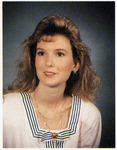
Interview with Leah Simpson Mercer - OH 282
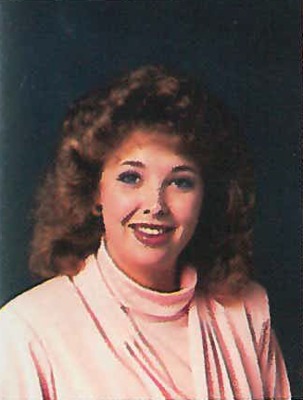
Leah Simpson Mercer
Leah Anne Simpson Mercer (b. 1968) attended Winthrop from 1986 to 1992. She is a Rock Hill native who lived on campus at Winthrop. She describes living in her dorm with her roommate. Leah majored in child education and graduated in 1992. She talks about how policies regarding the students have changed over time. She also talks about the food available at the dining hall. She discusses being in the Alpha Delta Pi sorority. She also talks about the professors and classes that stood out to her. She describes her feelings about Winthrop, including if she would recommend it to other people. Leah’s mother Elizabeth “Betty” Anne Hoffman Simpson (b. 1936) attended Winthrop from 1954-1956 and began working at Winthrop in 1958.
-

Interview with Livia Mitchell - OH 305
Livia Mitchell
In her January 8, 2013 interview with Robert Ryals, Livia Mitchell detailed her thoughts and memories of her time at Winthrop University (then Winthrop College). Mitchell spoke of the late 1950s on the following topics: Residence Halls, Winthrop traditions, student life, and her life after Winthrop. Mitchell also offered her opinions on how Winthrop has changed between the 1950s and today. Mitchell shared her experiences working as an art teacher after attending Winthrop. This interview was conducted for inclusion into the Louise Pettus Archives and Special Collections Oral History Program.
-
Interview with Velma S. Polk - OH 276
Velma S. Polk
In her July 15, 2013 interview with Martha Manning, Velma Polk describes her two years at Winthrop until 1951. Addressed are rules and regulations, the Blue Line, and dorm life. This interview was conducted for inclusion into the Louise Pettus Archives and Special Collections Oral History Program.
-
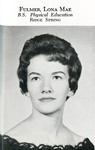
Interview with Lona Fulmer Proctor - OH 284
Lona Mae Fulmer Proctor
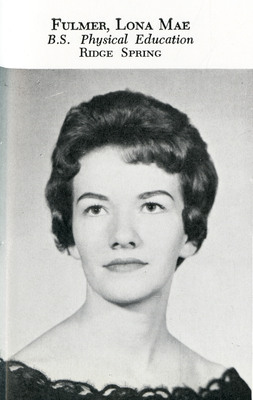
This interview was conducted with 1963 Winthrop graduate, Lona Mae Fulmer Proctor. She attended because she knew it was a good college and had several friends attend. She was originally from Ridge Springs, South Carolina. She lived on campus, and thinks the rules for dorm life were lenient enough. She discusses majoring in physical education and some of the classes she took. While at Winthrop, she was taught how to play golf and later after she married her military husband, they lived in Japan and Germany where she won several gold tournaments. She also talks about the fine arts performances that put on shows. She discusses how Winthrop has changed, including how campus had changed, buildings being altered, and the changes to the dress code.
-
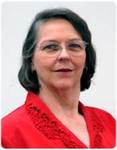
Interview with Jane Rawls - OH 301
Jane Rawls
In her August 1, 2013 interview, Jane Rawls shares stories of her life as a student at Winthrop Training School in the 1960s and as “day student” in 1974. In particular, Rawls discusses life as a child and student in the 1960s. Rawls shares her perspective of the counterculture in the 1960s and 1970s and how Winthrop and the community were affected. This interview was conducted for inclusion into the Louise Pettus Archives and Special Collections Oral History Program.
Printing is not supported at the primary Gallery Thumbnail page. Please first navigate to a specific Image before printing.